Block: hero
Semiconductor Jobs: Industry Career Resources
From entry-level to advancing the field.
Block: two_column
One thing that makes the semiconductor industry so exciting is the mix of available job types and education levels needed to enter the industry. You don’t need a four-year degree to get your career off the ground and start earning a living. Many workers enter the field through a certificate or associate’s degree program before gaining hands-on experience. And if you love the science of semiconductors, the sky’s the limit! In fact, here in Florida we make semiconductors that go all the way to space, so the sky is just the beginning.
Production and engineering positions make up the largest group of jobs in the semiconductor industry and can be broken down into three major job categories based on responsibilities and skill level: operators, technicians, and subject matter experts (SMEs). The employment outlook for workers in this industry is strong, with job growth and new opportunities driven by increasing demand for semiconductor products.
Block: content_panel
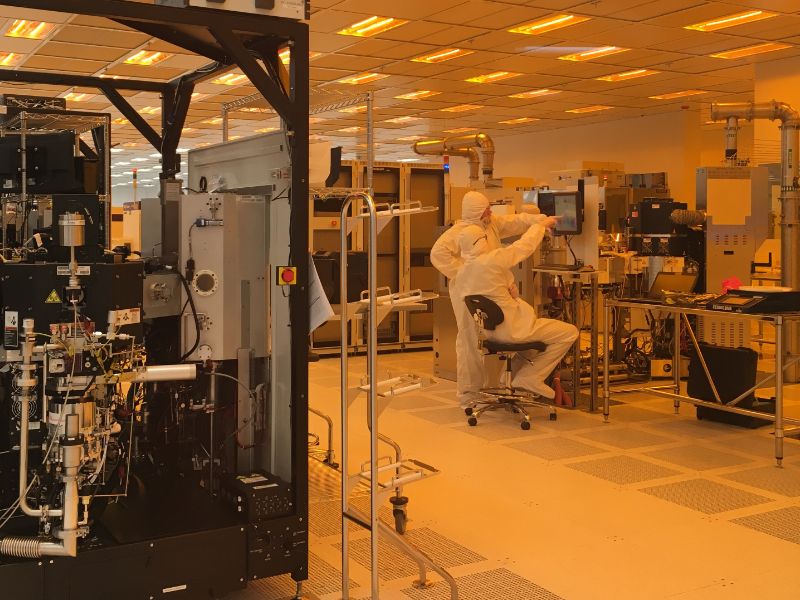
OPERATORS
These entry-level roles require no previous industry experience and are similar to warehouse positions.
JOB TITLES:
- Cleanroom Operator
- Warehouse Specialist
- Electrical, Electronic, and Electromechanical Assemblers
- Semiconductor Processing Technicians
Once operators are hired, they receive on-the-job training to perform essential tasks in manufacturing plants.
EDUCATION / QUALIFICATIONS
- High school diploma
Block: content_panel
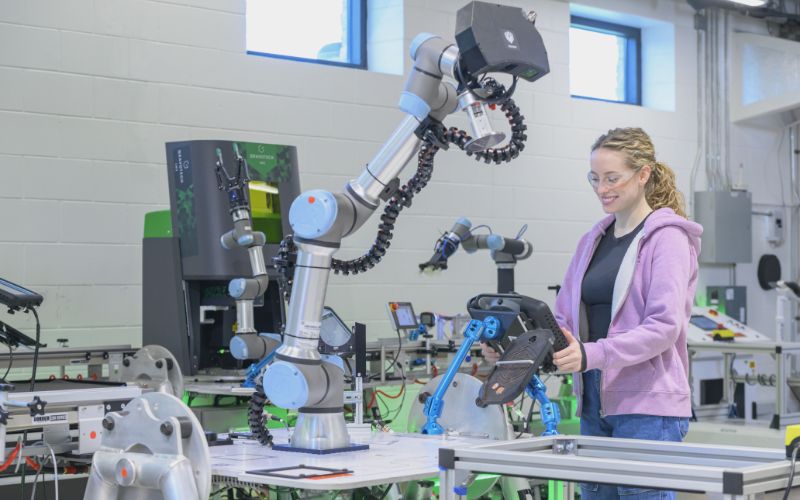
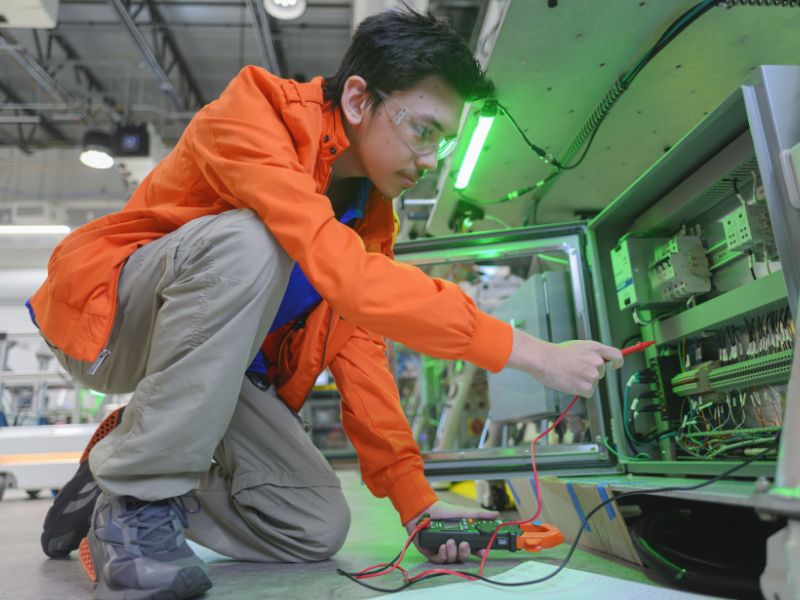
TECHNICIANS
These occupations require a higher level of knowledge about semiconductor manufacturing processes as well as some experience working in semiconductor fabrication facilities. Technicians gain hands-on experience assembling and testing electronic components, which is essential for success in these roles.
JOB TITLES
- Electrical, Electronic, and Electromechanical Assemblers
- Engineering Technician Specialist
- Process Development Engineering Technician
- Semiconductor Processing Technicians
Technicians work closely with engineers to operate and maintain advanced manufacturing equipment, ensuring efficient production and quality control.
EDUCATION / QUALIFICATIONS
- Two-year technical degree and/or up to five years of industry experience
Block: content_panel
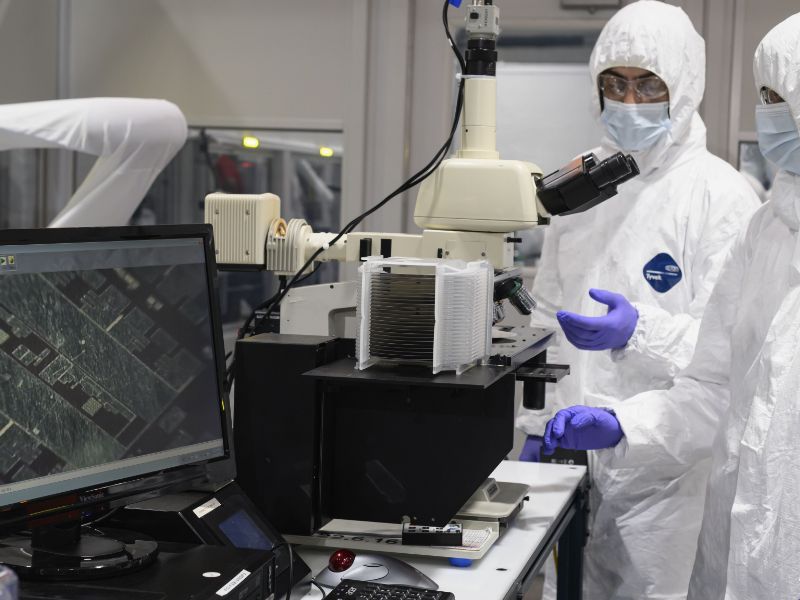
ENGINEERS / INNOVATORS
These positions require multiple years, sometimes decades, of experience in their related field.
JOB TITLES
- Advanced Packaging Metrology/Test Process Engineer
- Senior Firmware Engineer
EDUCATION / QUALIFICATIONS
- Bachelor’s degree to a doctoral degree in fields such as electrical engineering, microelectronics, or chemical engineering.
Block: flexible_columns
In Central Florida, openings for Electrical Engineering Technicians exceed the national average.
A fab, or semiconductor fabrication plant or foundry, is where semiconductors are produced.
Fabs that produce their own designs, such as Intel, are known as integrated device manufacturers (IDMs).
Block: two_column
Corey: Cooking Up a Great New Career
While working as a cook, Cory enrolled in the Mechatronics program at Valencia College.
The program director referred Cory for an internship (paid for by CareerSource Central Florida) at semiconductor foundry, SkyWater Technology, based in Osceola County’s NeoCity. Today, Cory is thriving in a full-time position as a plant maintenance technician, earning far more than he ever did in the kitchen and gearing up for more career growth opportunities ahead.

Block: partners
Resources

CareerSource Central Florida
CareerSource Central Florida is a statewide workforce policy and investment board, promoting workforce development initiatives throughout the state of Florida. With a mission to increase worker and employer prosperity, reduce welfare dependency, and enhance worker productivity, CareerSource Central Florida works with local development boards and career centers to foster business integration throughout the region. CareerSource Central Florida serves as an integral part in developing the semiconductor ecosystem by increasing workforce growth and advancement in the industry.

Etch
Etch connects people to real training, support, and good-paying jobs in Florida’s semiconductor industry. Its mission is to offer clear pathways into high-paying careers, provide guidance for students, parents, and advisors, and support schools, educators, and programs that align with the local job market.
Block: flexible_columns
Join the Engine
Become part of the team building America’s semiconductor future.
Explore Training Programs
Discover degrees and credentials that lead to high-wage careers.
See Regional Engagement
Learn how Florida’s innovation ecosystem is creating opportunity.
Block: current_projects
Frequently Asked Questions About Starting a Semiconductor Career
What are common entry-level jobs in the semiconductor industry?
Entry-level roles in the semiconductor field typically focus on cleanroom operations, materials handling, or assembly, providing immediate access to a high-growth industry without requiring prior experience. Positions such as Cleanroom Operator, Semiconductor Processing Technician, Warehouse Specialist, and Electrical or Electromechanical Assembler offer hands-on exposure to advanced manufacturing environments. These roles often serve as a launchpad to more technical and engineering-focused careers over time. Many of these opportunities are based in Central Florida, where domestic semiconductor production continues to expand due to federal investments and strong regional industry growth.
Do you need a degree to work in semiconductors?
Not necessarily. The semiconductor industry offers a wide range of career paths—many of which begin with a high school diploma or a two-year technical degree. Roles like cleanroom operators and equipment technicians typically require hands-on training, not a four-year degree. However, as professionals progress into engineering or leadership roles, additional education—such as a bachelor’s or master’s in electrical engineering, microelectronics, or related fields—can open new doors. FSE supports both degree-based and skills-based pathways, ensuring inclusive access to opportunity.
What does a semiconductor technician do?
A semiconductor technician supports the production and testing of semiconductor devices within fabrication facilities (fabs). They assist engineers, maintain and monitor highly specialized cleanroom equipment, and help troubleshoot process issues to keep manufacturing running efficiently. Typical responsibilities include monitoring cleanroom machinery, performing inspections and precise measurements, running diagnostic tests, and supporting process improvement teams. These roles typically require a two-year degree or equivalent technical experience and are essential to maintaining the quality, precision, and efficiency of advanced semiconductor manufacturing.
How can I start a semiconductor career with no experience?
You can begin by pursuing training programs in electronics, manufacturing, or mechatronics—many offered at local colleges like Valencia College or through initiatives like Etch. Entry-level operator roles, which require only a high school diploma and a willingness to learn, are widely available. FSE works with regional partners like CareerSource Central Florida to provide internship pathways, tuition support, and direct job placement, just like Cory, who went from culinary work to a full-time technician role at SkyWater Technology.
What skills are needed for semiconductor manufacturing jobs?
Success in semiconductor roles requires a strong attention to detail, comfort working in cleanroom environments, and foundational knowledge of electronics or mechanical systems. Professionals are often responsible for data entry, equipment monitoring, and maintaining strict safety and quality control standards. In addition to technical capabilities, soft skills such as reliability, clear communication, and adaptability are essential in fast-paced manufacturing settings. FSE-aligned training programs are designed to help learners develop both the technical expertise and professional competencies needed to thrive in this growing field.
What’s the difference between a technician and an engineer in semiconductors?
A technician typically applies hands-on expertise to operate, maintain, and troubleshoot equipment within a fab. These roles often require a two-year degree and offer valuable entry points into the industry. An engineer, on the other hand, typically holds a four-year degree or higher and is responsible for designing processes, optimizing performance, and leading innovation across packaging, metrology, or system integration. Both play critical roles and FSE supports upskilling pathways between them through workforce development initiatives and educational partnerships.
Are semiconductor jobs in demand in Florida?
Absolutely. Florida is experiencing increased demand for semiconductor talent, particularly in Central Florida’s NeoCity region. The area is home to advanced manufacturers like SkyWater Technology and research institutions supporting the national reshoring effort. Openings for roles such as Electrical Engineering Technicians now exceed national averages in the region, and industry demand is expected to grow due to federal investments through the CHIPS and Science Act. FSE is accelerating workforce alignment to meet this demand and equip residents with the skills to lead in this critical sector.
Block: flexible_columns
Join the Florida Semiconductor Engine
Are you an engineer, scientist, business owner, educator, or student ready to tap into the exciting opportunities in this vital industry? Become a Member of the Engine today to get started.